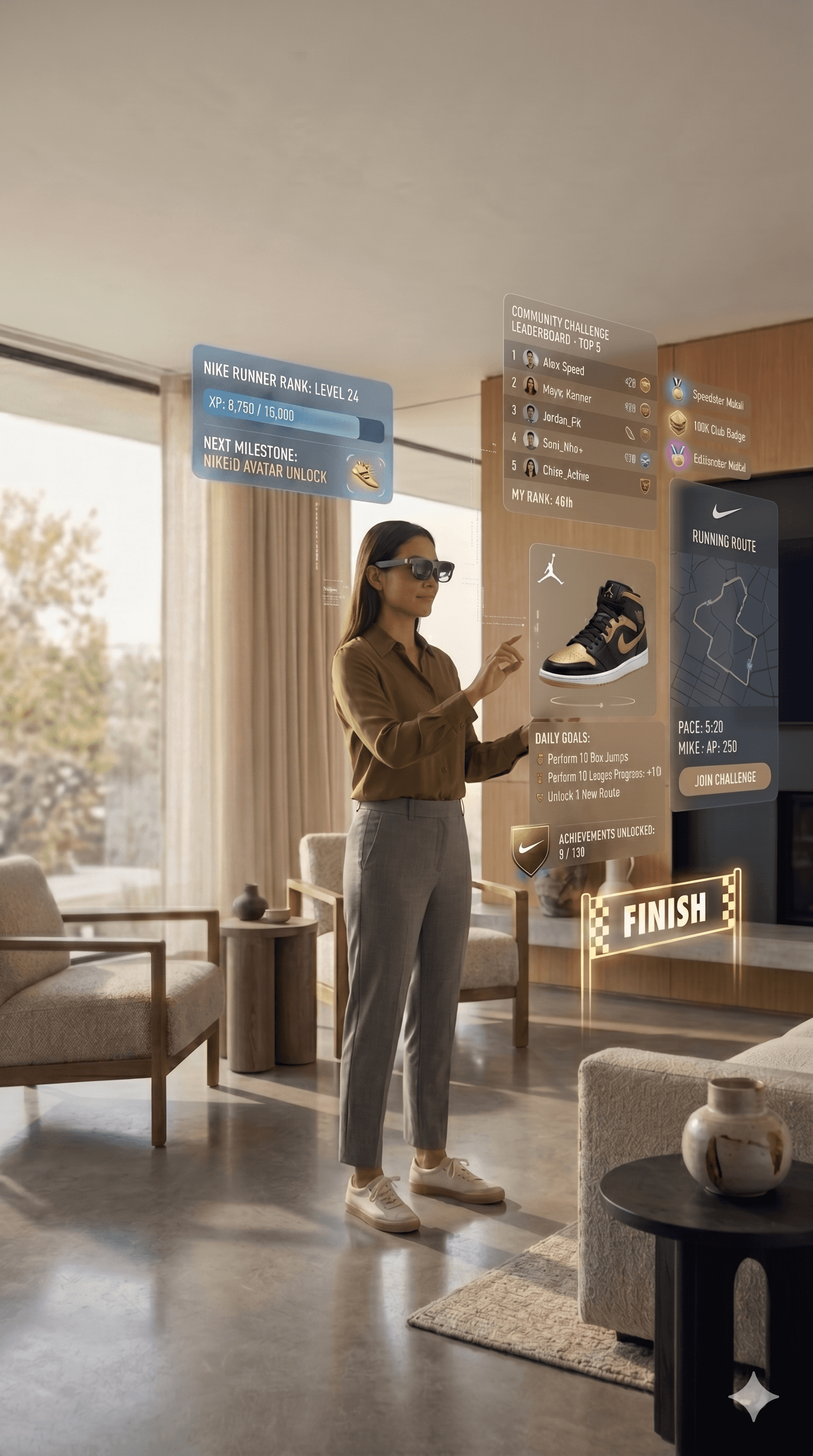
Advertising has always evolved with the media around it.
Print gave brands a way to shape aspiration through image and language. Television brought motion, emotion, and mass cultural reach. Digital media made advertising more immediate, measurable, and personalized. Social media turned audiences into participants, giving people the tools to react, remix, share, and shape the conversation around brands in real time.
XR represents the next layer in that progression.
It does not replace the formats that came before it. It expands what advertising can be. Instead of only asking audiences to watch, read, click, or scroll, XR allows brands to create experiences people can enter, touch, move through, and remember physically.
That is a meaningful shift. Not because traditional media is going away, but because a new medium is emerging with a different kind of creative potential.
At Realcast, we see XR as an opportunity for brands to become more spatial, more interactive, and more human. It gives marketers a new canvas where storytelling, utility, play, and product experience can come together in the same environment.
The future of brand engagement will not be defined only by what people see. It will be defined by what they can do.
Beyond the Screen
Most brand communication still happens through screens. A film plays on a phone. A product appears in a feed. A campaign lands on a homepage. A social post earns attention for a moment and then disappears into the next scroll.
Those formats remain powerful because they are familiar, scalable, and culturally fluent. But XR introduces something fundamentally different: presence.
In XR, a brand does not have to sit inside a rectangle. It can exist in the room. It can become an object on the table, a challenge on the floor, a story on the wall, a character beside you, or a world layered into the space around you.
That change matters because spatial experiences create a different relationship between audience and brand. The audience is no longer outside the message. They are inside the experience.
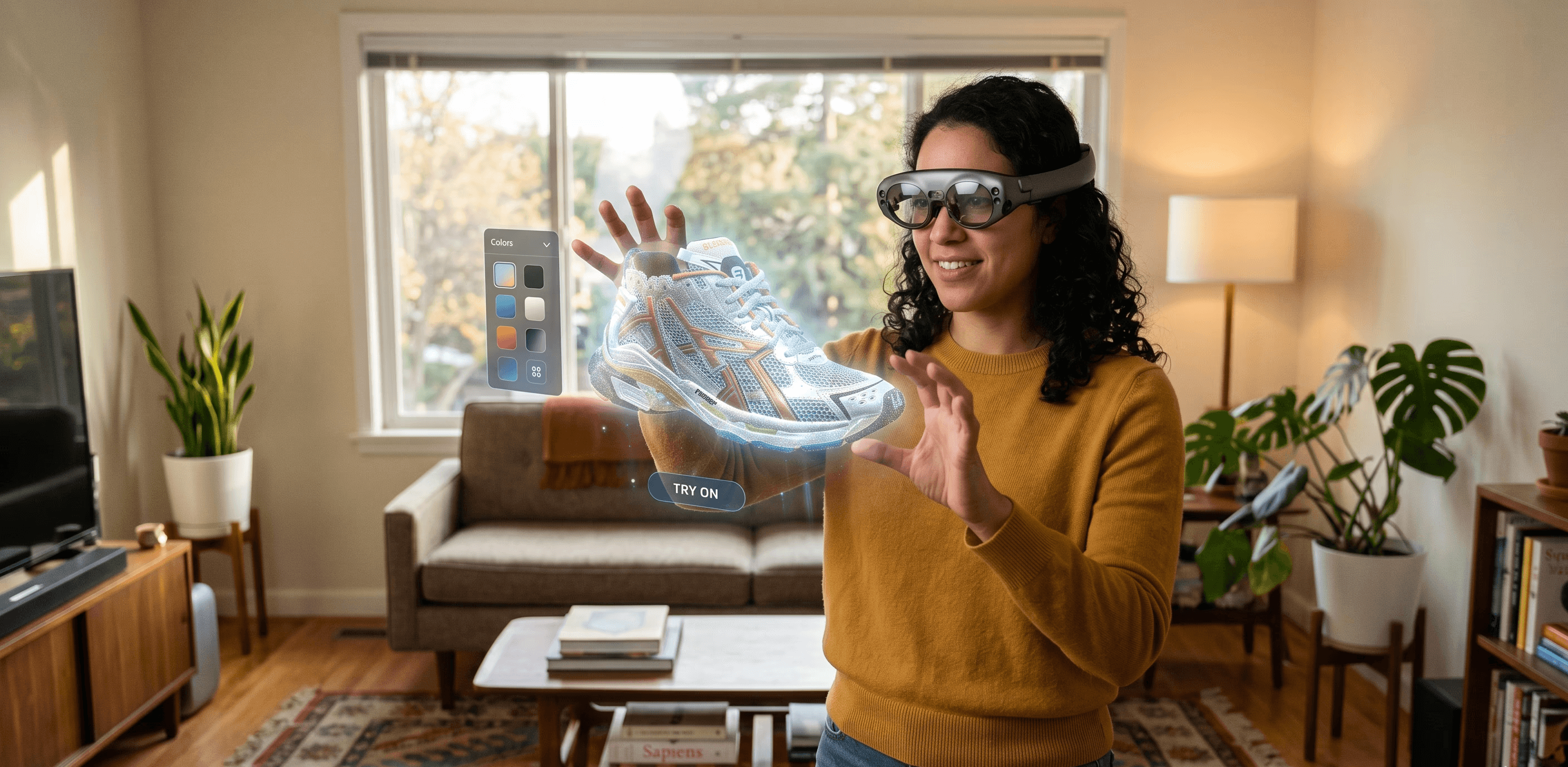
A sneaker can become something to inspect, customize, test, and play with. A sports brand can turn a living room into a training moment. A museum can turn a historical site into a living narrative. A consumer product can become part of a guided, interactive demonstration. A media franchise can invite fans into a scene rather than simply showing them the trailer.
XR gives brands a way to move from communication to participation.
Participation as a Creative Medium
The most interesting opportunity in XR is not novelty. It is agency.
This is where XR begins to connect naturally with gaming.
Games have trained audiences to expect feedback from media. People understand challenge, progression, customization, social play, and reward. They understand what it means to try, fail, improve, unlock, and share. These behaviors now influence much more than entertainment. They shape fitness, education, commerce, events, loyalty, and community.
For brands, that does not mean every experience needs to become a game. It means brands can learn from the way games create engagement. A playable brand experience gives the audience a role. It invites them to act instead of only observe.
That role can be simple. Pick something up. Place an object. Complete a challenge. Move through a story. Build a scene. Compete with a friend. Explore a product. Trigger a reveal. Leave something behind for someone else.
The creative question becomes: what should the audience be able to do that makes the brand more meaningful?
What Makes XR Different
Every medium has its own strengths. XR’s strength is that it combines space, interaction, embodiment, and storytelling.
A film can make a product emotional. A social post can make it shareable. A website can make it informative. A store can make it physical. XR can bring pieces of all of those together.
It can make digital content feel present.
It can turn the body into the interface.
It can make product storytelling tactile.
It can transform physical spaces without rebuilding them.
It can make experiences social, guided, playful, or personal depending on the goal.
At Realcast, this principle sits at the center of our work. We believe mixed reality becomes most compelling when it extends familiar behavior into something richer. The experience should feel intuitive before it feels impressive. It should make the technology disappear into the action.
That is the same opportunity brands now have.
A great XR brand experience should not feel like a technical demo. It should feel like a natural extension of what the brand already represents.
Brands as Environments
In traditional advertising, the brand is often expressed through a message. In XR, the brand can be expressed through an environment.
That environment does not need to be large or fantastical. It can be as simple as a tabletop experience, a product layer in a living room, a guided retail interaction, or a shared challenge at an event. What matters is that the brand becomes something people can move through and engage with.
This is a major creative opening for marketers.
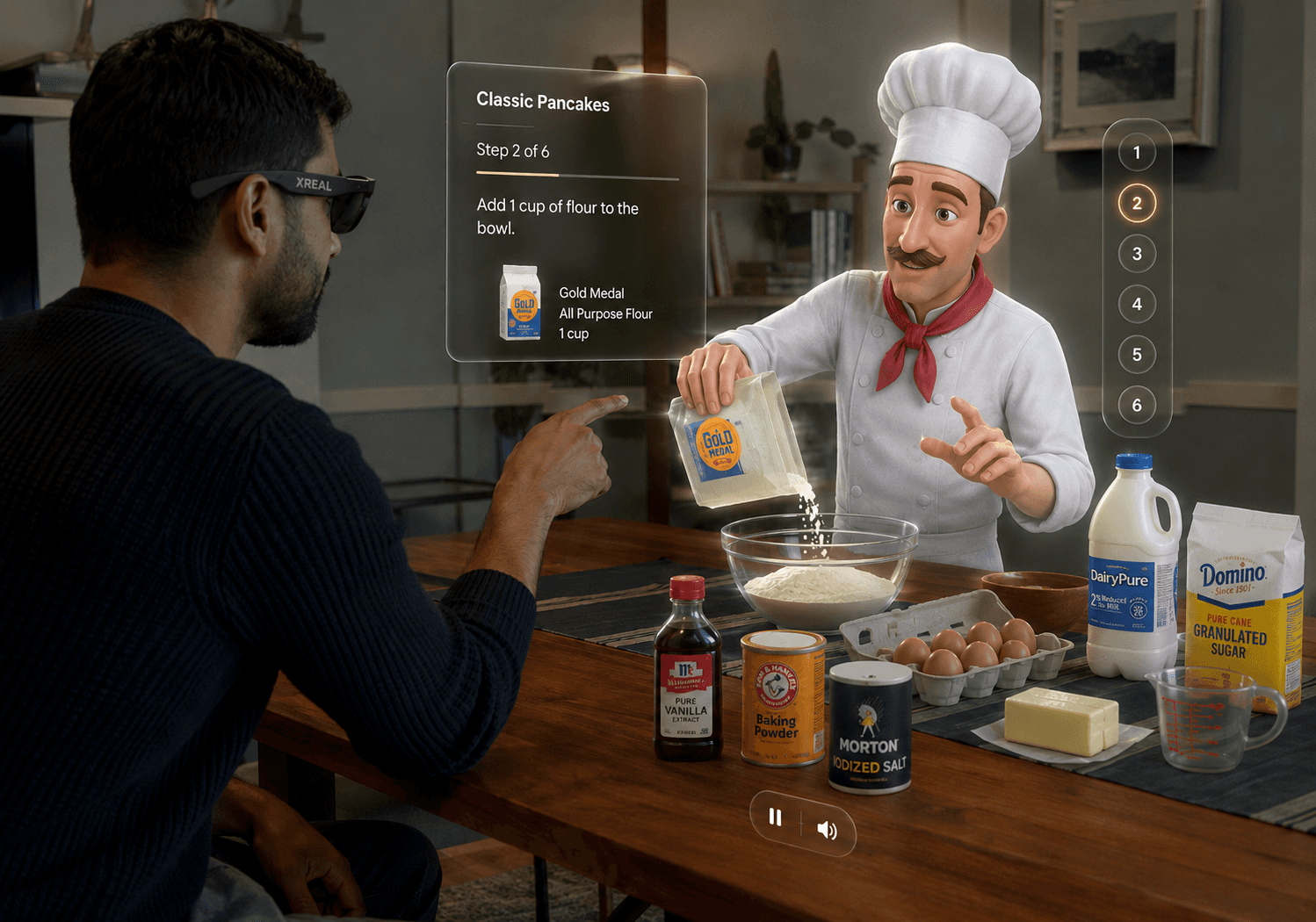
A sports brand can build experiences around movement, performance, rhythm, competition, and self expression. A beauty brand can create guided rituals, ingredient stories, and personalized product discovery. A food brand can turn a recipe, kitchen, or dining moment into something playful and instructional. A cultural institution can make history spatial and participatory. An entertainment brand can let fans enter a scene, interact with characters, or collect moments inside the world.
In each case, XR gives the brand a way to become more than a message. It becomes a setting for behavior.
That shift is important because people form deeper connections through what they experience. The most memorable brands are not just recognized. They are felt. They are associated with actions, places, routines, rituals, and communities.
XR gives brands a new way to design those associations.
Realcast’s Point of View
Realcast sits at the intersection of gaming, culture, and emerging technology. Our work spans consumer XR games and location based immersive experiences, but the underlying belief is consistent: the future of interactive media will be built around natural behavior.
We are interested in experiences that feel easy to understand, comfortable to enter, and satisfying to use. We believe hand tracking, spatial design, familiar mechanics, and physical environments can make digital content feel less like software and more like real life.
That belief matters for brands.
A brand should not enter XR just to appear innovative. It should enter XR when the medium helps express something true about the brand. Movement. Play. discovery. craft. performance. education. community. imagination. These are the kinds of territories XR can make tangible.
For Realcast, this is the creative opportunity: helping brands turn their essence into spatial experiences people can participate in.
The Future of Playable Brands
The next era of advertising will be more layered than the last. Traditional media, social content, live events, retail, gaming, and XR will work together. Each will have a role. Each will do something different.
XR’s role is to make brands experiential in a new way.
It can make advertising feel less like interruption and more like invitation. It can give people a reason to engage beyond awareness. It can turn product stories into interactions. It can transform brand worlds into places people can visit, shape, and share.
This is why the idea of becoming playable matters.
Playable does not mean childish. It does not mean every brand needs points, badges, or arcade mechanics. It means the brand gives people agency. It means the audience can do something meaningful inside the experience.
That is where advertising is headed as media becomes more spatial.
Brands will still need great films, great design, great copy, great social storytelling, and great cultural strategy. But they will also need experiences that people can enter. They will need worlds that respond. They will need interfaces that feel natural. They will need new ways to make people feel present.
The brands that lead in XR will not simply recreate existing ads in three dimensions.
They will become playable.
And when a brand becomes playable, it stops being something people only see. It becomes something they experience, remember, and return to.
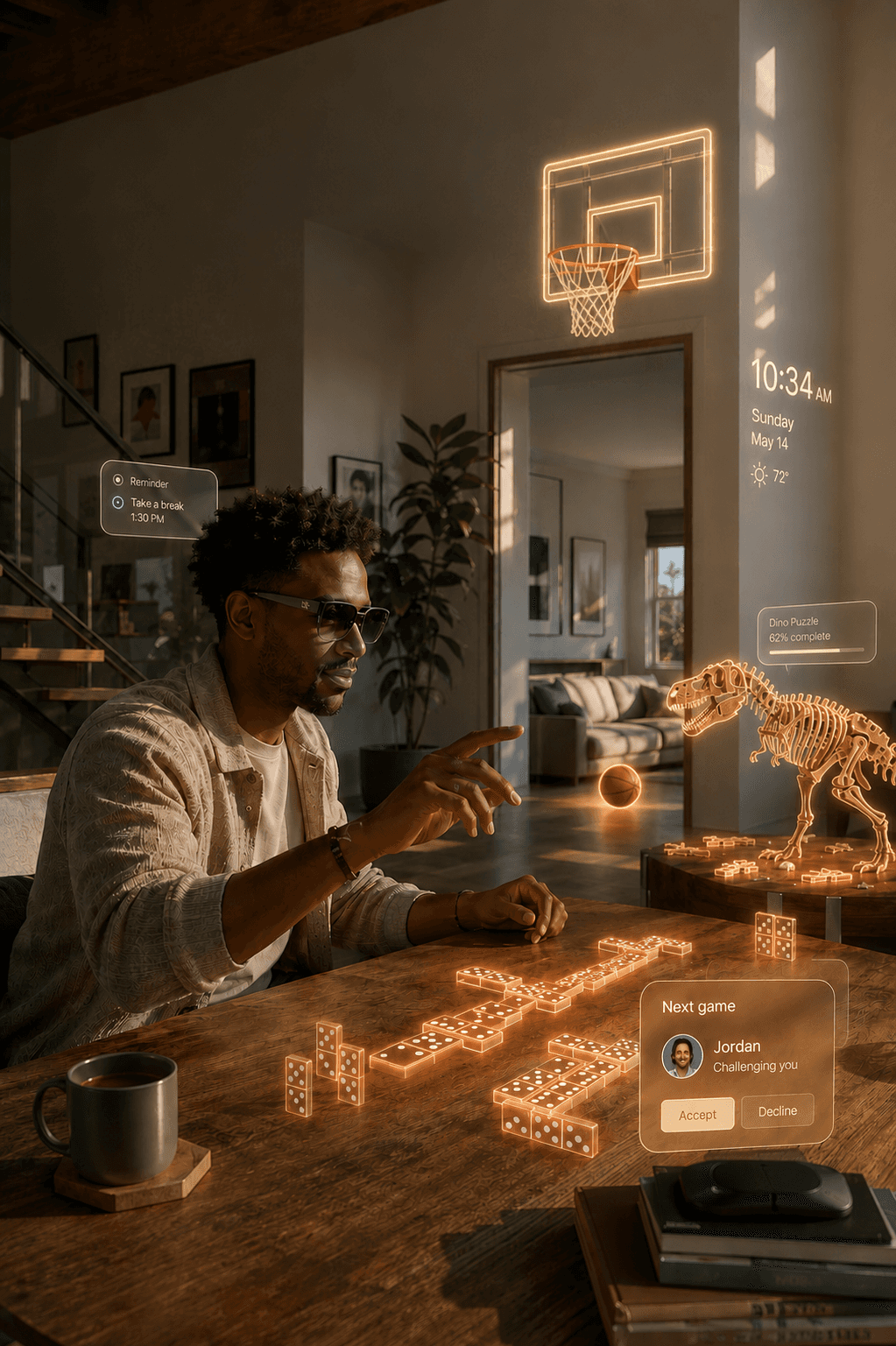
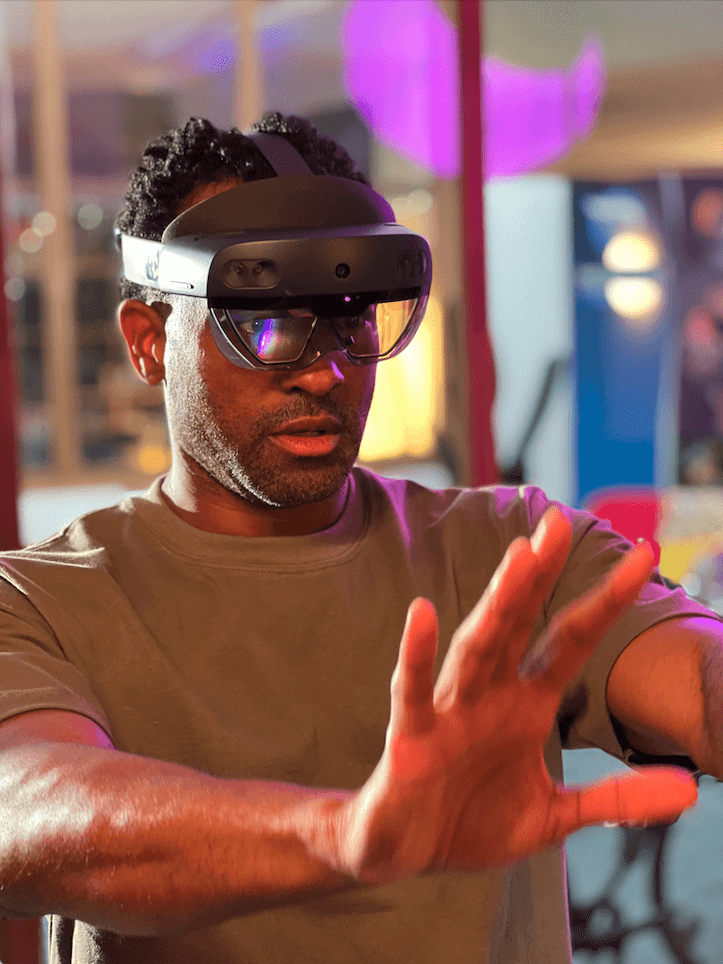
We build XR around human behavior.
We combine game design with real-world deployment